
Hair Loss Solutions for Men & Women in Croydon
Key Highlights
Personalised hair loss solutions tailored to your hair and needs
Wigs and hair toppers for discreet, natural-looking coverage
Expert support for thinning, shedding and hair recovery
Specialist Afro hair care and restoration for textured hair
Practical advice for protecting and caring for fragile hair
Solutions for both men and women experiencing hair loss
30+ years of professional hairdressing experience
Friendly, discreet support from an experienced salon team
Understanding Hair Loss & Hair Thinning
There isn't one solution that works for everyone. The right option will depend on the amount of hair you've lost, where you're experiencing thinning, the condition of your existing hair and what you feel most comfortable wearing.
During your consultation, we'll take the time to understand what you're experiencing and what you'd like to achieve.
Hair loss can happen for many different reasons, and everyone's experience is different. Some people notice increased shedding following pregnancy, while others experience thinning during periods of prolonged stress. Changes in hormones, genetics, ageing, illness, nutritional factors and certain medications can also contribute to hair loss.
Post-partum hair loss is particularly common. Many women notice increased shedding a few months after giving birth as hormone levels return to their normal state. For some, this can be a temporary change, while others may experience longer-lasting thinning.
Stress-related hair loss can also result in increased shedding. If you've noticed a significant change in your hair following a particularly stressful period, it's worth speaking to your GP or a qualified healthcare professional to understand the possible cause.
While a salon cannot diagnose the medical cause of hair loss, we can help you understand the styling and haircare options available to you and provide professional support throughout the process.
To book a hair colouring, call 020 3795 7184 or book online. You can also WhatsApp us.
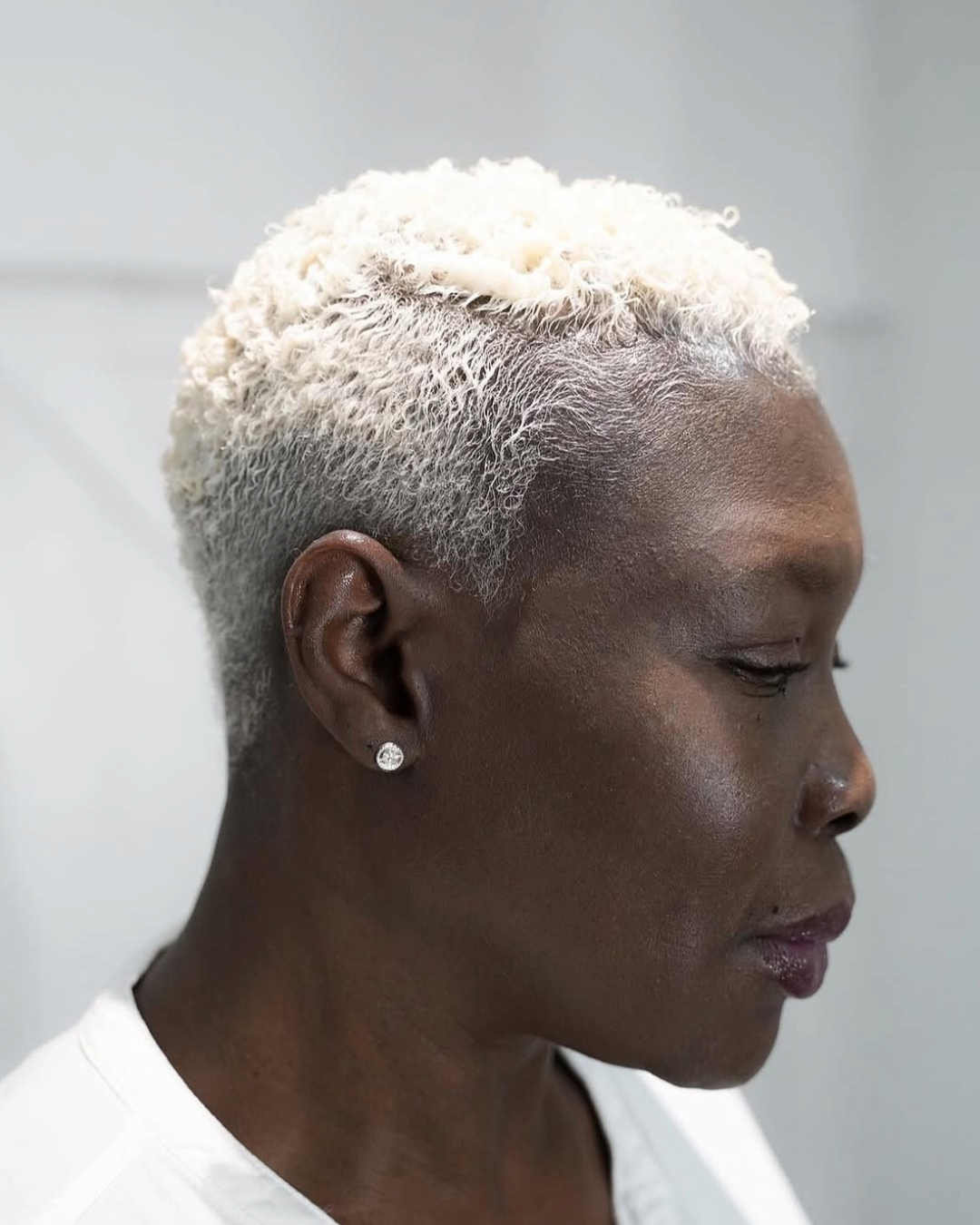
Wigs For Hair Loss
A wig can provide immediate coverage for more significant hair loss and can be a particularly useful option if you're experiencing substantial thinning or are waiting for your natural hair to recover.
Modern wigs are available in a wide range of colours, lengths, textures and styles, allowing you to find an option that feels natural and suits your personality. We can discuss the different options available and help you think about factors such as fit, coverage, comfort and how you want to style your hair.
Hair Toppers for Thinning Hair
If you're experiencing thinning in a particular area rather than complete hair loss, a hair topper may be a more suitable option than a full wig.
Hair toppers are designed to add coverage and volume to areas where the hair has become finer, such as the crown, parting or top of the head. They can blend with your existing hair to create a fuller-looking finish while allowing you to keep more of your own hair visible.
For many clients, toppers offer a discreet solution when they aren't ready for, or don't need, a full wig.
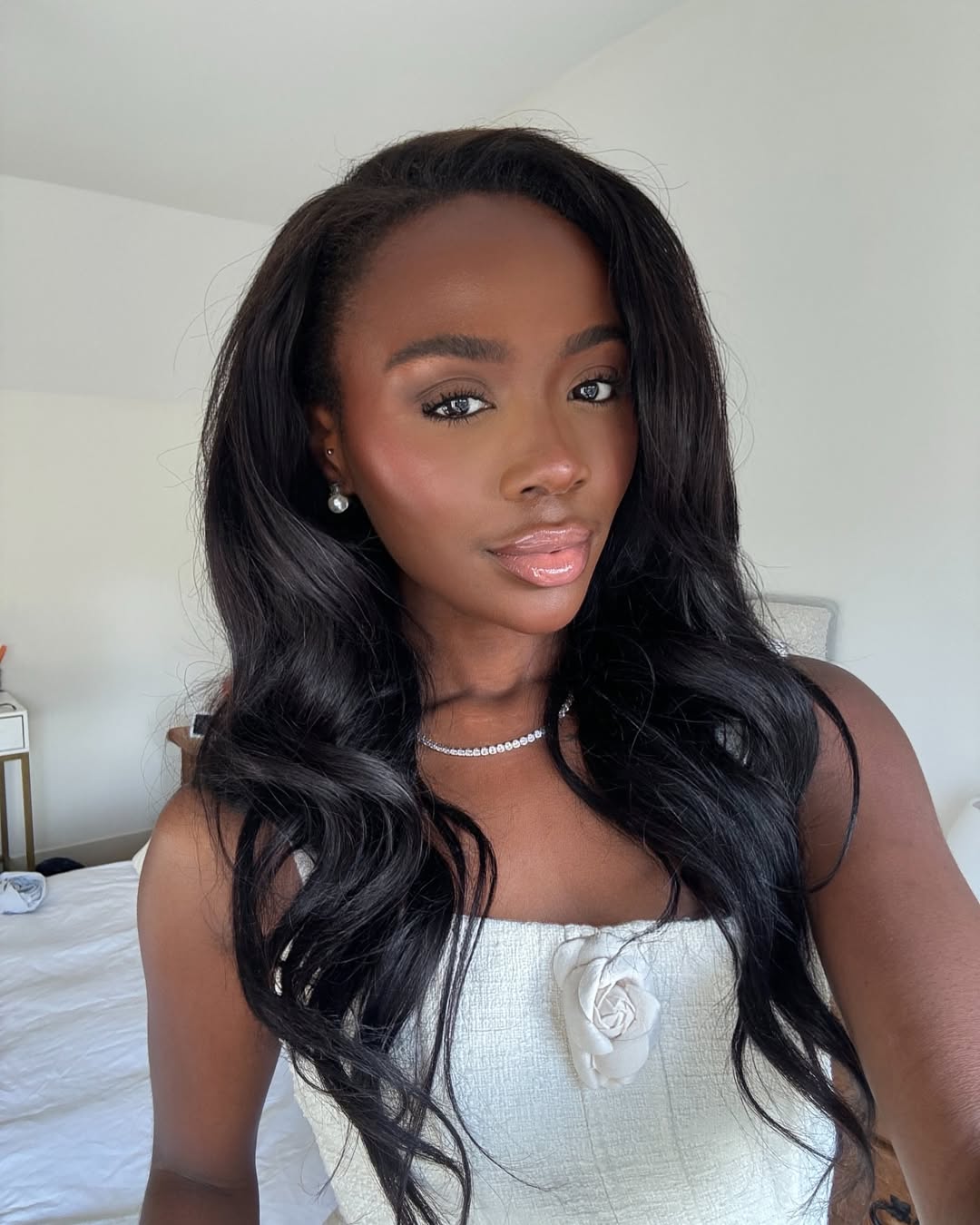
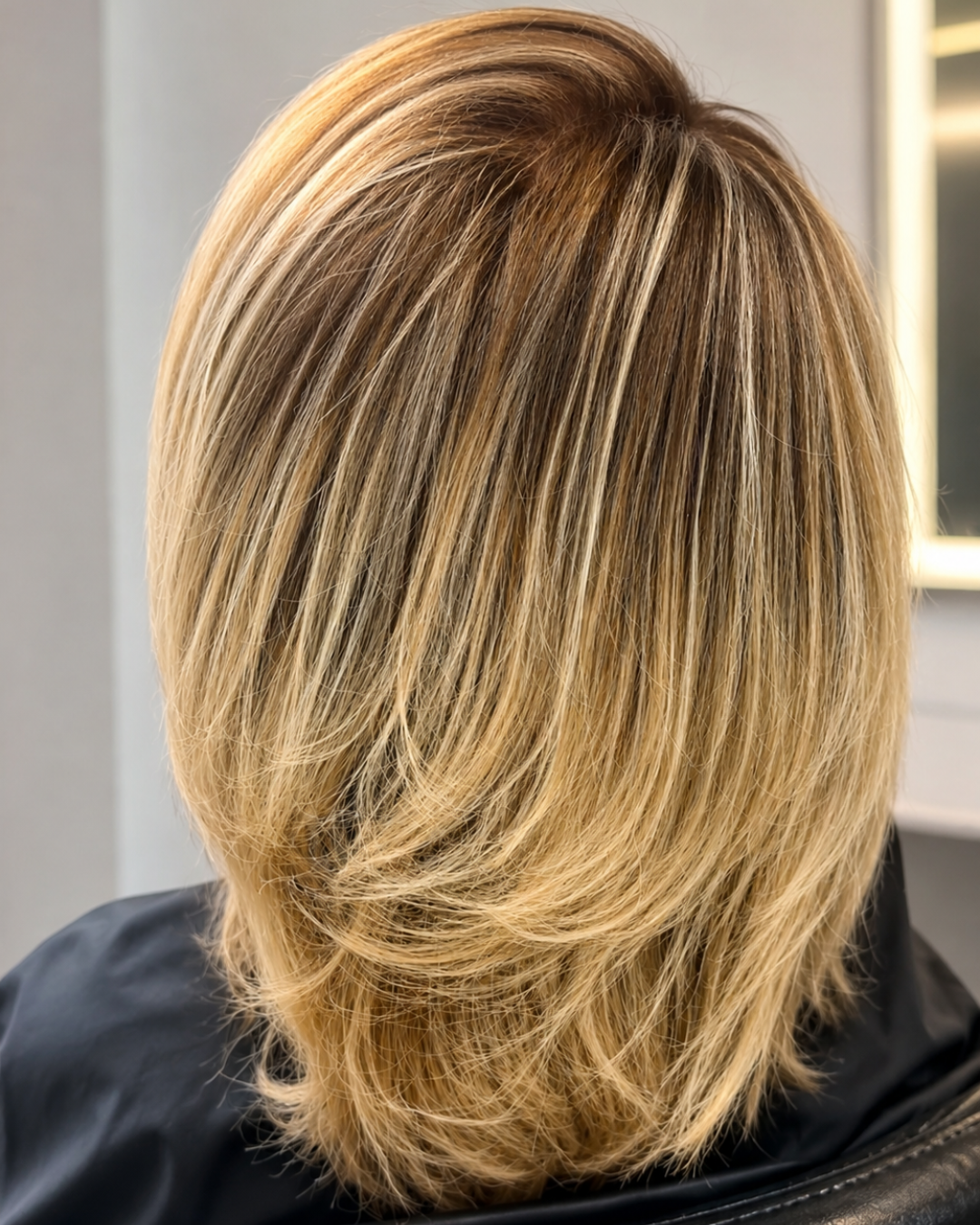
Extensions For Thinning Hair
Hair extensions can sometimes be used to add length and volume, but they aren't suitable for every type or stage of hair loss.
If your hair is significantly weakened or very fine, extensions may place additional tension on the hair and could make the situation worse. That's why professional assessment is important before considering extensions for thinning hair.
We'll look at your hair's condition and discuss whether extensions are appropriate or whether another solution would be kinder to your hair.
Afro Hair Care & Restoration
Caring for Afro and textured hair during periods of thinning or hair loss requires an understanding of the hair's natural structure, curl pattern and individual needs.
Our team has experience working with Afro and multi-textured hair and can provide advice around Afro hair care & restoration, including suitable styling, conditioning and protective approaches. If you're experiencing breakage, excessive shedding or thinning, we can help you adapt your haircare and styling routine to reduce unnecessary stress while your hair recovers.
Supporting Natural Hair Recovery
If your hair is growing back following a period of significant shedding, it's natural to want to protect it while it becomes stronger and fuller.
We can advise you on gentler styling options, suitable products and ways to minimise unnecessary heat and tension. This may include adapting how frequently you use heated styling tools, avoiding overly tight hairstyles and using appropriate heat protection when styling is needed.
For clients who enjoy a smooth, polished finish, a silk press & heat protection service can be discussed based on the condition of your hair. The priority should always be protecting the hair rather than putting it under additional stress.
Your stylist can also recommend appropriate hair treatment services to help maintain the condition, moisture and manageability of your hair during the recovery process.
When Should I Seek Medical Advice?
Hair loss can sometimes be linked to an underlying medical condition, hormonal change, nutritional deficiency or medication. If your hair loss is sudden, severe, patchy, accompanied by scalp changes, or causing you concern, we recommend speaking to your GP or another qualified healthcare professional.
A salon can support the appearance, care and styling of your hair, but identifying and treating an underlying medical cause requires appropriate medical advice.
GET PAMPERED
book a consultation
Ready to talk about your hair?
If you're experiencing hair loss or thinning and aren't sure where to start, you're welcome to speak to our experienced team.
We'll listen to your concerns, assess your hair and talk through the options available, helping you find a solution that feels comfortable, natural and right for you.
What causes post-partum hair loss?
«Post-partum hair loss is often linked to the hormonal changes that happen after pregnancy. During pregnancy, increased hormone levels can keep more hairs in the growth phase. When hormone levels return to normal after giving birth, more hairs can enter the shedding phase at the same time. If you're concerned about excessive or prolonged hair loss, speak to your GP or healthcare professional.
How can I treat stress-related hair loss?
«Stress can contribute to increased hair shedding, but the cause and appropriate treatment will vary from person to person. If you've noticed significant shedding following a stressful period, speak to your GP for advice. In the meantime, we can help you adapt your styling and haircare routine to minimise unnecessary tension and breakage.
What are the best wigs for thinning hair?
«The best wig depends on the amount and location of your hair loss, your preferred style and how you want the wig to feel and fit. A professional consultation can help you consider different options, including the level of coverage, construction, texture and styling possibilities.
Do hair toppers really work for thinning hair?
«Yes. Hair toppers are specifically designed to add coverage and volume to areas of thinning hair. They can be particularly useful when thinning is concentrated around the crown or parting and may provide a more lightweight alternative to a full wig.
Can extensions help with thinning hair?
«Extensions can add length and volume, but they're not suitable for everyone experiencing hair thinning. Extensions can place additional weight or tension on fragile hair, so your stylist should assess your hair's condition before recommending them. In some cases, a topper or alternative styling solution may be more appropriate.
How long does recovery take after significant hair loss?
«There isn't one recovery time that applies to everyone. Hair growth is affected by the underlying cause of the hair loss, your individual growth cycle and your general health. If your hair loss has a medical cause, your GP or healthcare professional can provide more specific advice. We can support you with styling and haircare throughout the regrowth process.
Are wigs comfortable to wear?
«A well-fitting wig should feel comfortable and secure, although comfort varies depending on the construction, fit and individual wearer. It's important to choose the right size and style and to follow appropriate care and wearing guidance.
What's the difference between a wig and a topper?
«A wig generally provides coverage across the whole head, whereas a topper is designed to add coverage and volume to a specific area of thinning. The right choice depends on the extent and pattern of your hair loss and the amount of your natural hair you'd like to keep visible.
How do I maintain my hair during recovery?
«Gentle haircare is important when your hair is recovering. Avoid unnecessary tension, excessive heat and harsh styling where possible. Your stylist can recommend suitable products and hair treatment services, as well as advise on protective styling and heat protection based on your hair's condition.
Which treatments are most effective for hair loss?
«The most appropriate treatment depends on what's causing the hair loss. A salon can provide hair care, styling and cosmetic solutions such as wigs, toppers and suitable hair treatments, but medical hair loss should be assessed by a GP or qualified healthcare professional. We can help you find a suitable salon-based solution while you seek or follow professional medical advice.